

Introduction
Did you ever notice how two people can go through the same difficult situation and respond in completely different ways?
One person might think, “This always happens to me. I can’t do this.” Another might think, “This is difficult, but I’ll work out what to do next.”
The difference isn’t necessarily that one person has an easier life. Sometimes, it comes down to the way we look at what is happening.
That’s where a positive mindset can make a difference.
A positive mindset doesn’t mean being happy all the time or pretending that everything is fine. Life will still bring disappointment, stress, uncertainty and difficult days. What can change is how we respond to those situations.
In simple terms, a positive mindset means learning to look for possibility without ignoring reality.
At Body Mind Spirit, we believe personal growth starts from within. When we become more aware of ourselves, we create an opportunity to make meaningful changes in the way we experience ourselves and the world around us.
What Is a Positive Mindset?
A positive mindset is a way of approaching life with openness, hope and a willingness to learn.
It doesn’t mean looking at everything through rose-coloured glasses. You can have a positive mindset and still feel disappointed, angry, worried or uncertain.
For example, imagine you make a mistake at work.
You might immediately think:
“I’m terrible at this. I always get things wrong.”
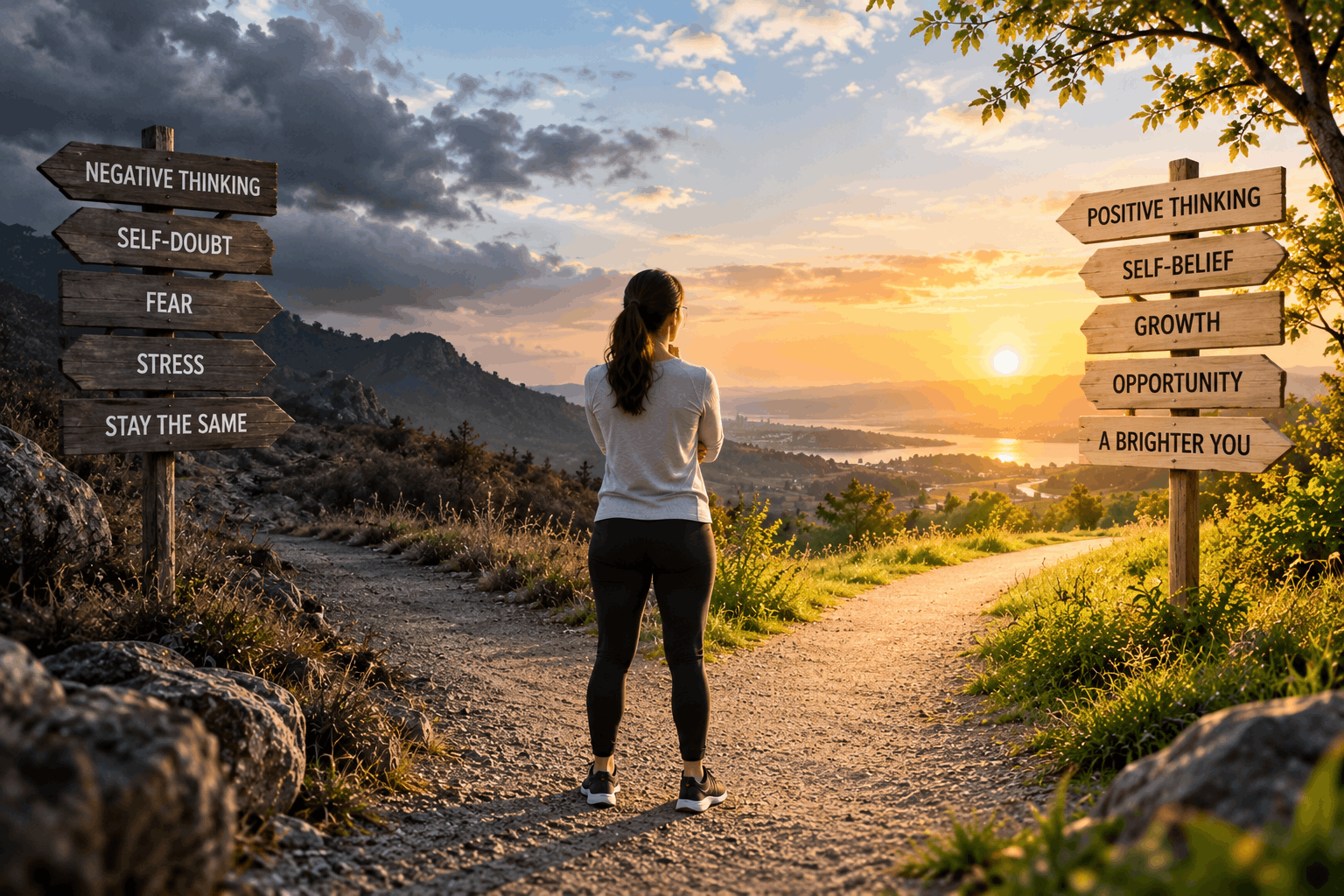
Or you could pause and think:
“That didn’t go the way I wanted. What can I learn from it, and what can I do differently next time?”
The situation hasn’t changed. You still made the mistake.
What has changed is the way you’re choosing to respond.
Sometimes, that small shift in perspective can make a real difference.
Why Does Your Mindset Matter?
The way you think can influence the choices you make and the actions you take.
When you expect things to go wrong, you may be more likely to avoid challenges or doubt your abilities. A more constructive outlook can help you remain open to learning, adapting and taking the next step.
A positive mindset can help you:
- Handle challenges better
- Learn from your mistakes
- See opportunities to grow
- Understand yourself better
- Feel more confident
- Build better relationships
Personal growth is usually made up of small moments — what you notice, how you respond, what you learn and what you choose to do next.
Does a Positive Mindset Mean Ignoring Difficult Emotions?
No. A positive mindset does not mean ignoring negative emotions or pretending that everything is okay.
This is an important difference.
There can be pressure to “stay positive” when life gets difficult. But constantly pushing uncomfortable feelings away doesn’t necessarily make them disappear.
We all experience frustration, disappointment, fear, sadness and uncertainty. Instead of immediately trying to get rid of those feelings, you can become curious about them.
When something difficult happens, try asking yourself:
• What am I feeling right now?
• What is this situation teaching me?
• What can I actually control?
• What is one thing I can do next?
You don’t need to find an answer instantly.
Sometimes, simply pausing before you react can give you enough space to make a more thoughtful choice.
How Can You Develop a Positive Mindset? 5 Simple Ways
Developing a positive mindset doesn’t require a complete lifestyle makeover.
In fact, some of the changes are very simple:

1. Notice How You Talk to Yourself
We all have an inner voice.
Sometimes it encourages us. Other times, particularly when we’ve made a mistake, it can be incredibly harsh.
You might catch yourself thinking:
“I’m not good enough.”
“I’ll never be able to do this.”
“Everyone else is doing better than me.”
When you notice these thoughts, don’t beat yourself up for having them. Just notice them.
Ask yourself:
“Is this true, or am I being harder on myself than I need to be?”
A thought isn’t necessarily a fact.
Learning to recognise unhelpful thinking patterns gives you the opportunity to look at them differently.
2. Focus on What You Can Control
There are many situations in life we cannot control.
We can’t change the past. We can’t control other people’s decisions. And we can’t predict what will happen next.
But we can often influence how we respond.
When you’re feeling overwhelmed, try asking:
“What can I do today?”
It might be something very small — making a phone call, finishing one task, going for a walk, having an honest conversation or simply giving yourself some time to think.
You don’t have to solve everything today.
Sometimes, one manageable step is enough to get moving again.
3. Let Setbacks Teach You Something
Nobody gets everything right.
We make mistakes. Plans fall apart. Opportunities don’t work out. Sometimes, despite our best efforts, things simply don’t go our way.
A setback can hurt, but it doesn’t have to define you.
Instead of asking only, “Why did this happen to me?”, you might also ask:
“What can I learn from this?”
Perhaps you discovered something about yourself. Perhaps you learned what doesn’t work. Perhaps you realised that you need help, a different approach or more time.
Growth isn’t a straight line.
There will be progress, setbacks, pauses and fresh starts. Learning to accept that can help you become more resilient.
4. Notice the Good Things, Even the Small Ones
Gratitude doesn’t mean pretending your problems don’t exist.
It simply means making room to notice what is good as well.
That could be a conversation that made you smile, a beautiful morning, someone who supported you, a small achievement or simply having a quiet moment to yourself.
At the end of the day, try asking yourself:
“What are three things I appreciated today?”
They don’t have to be big.
Sometimes, the small things are the ones we remember.
5. Spend Time With People Who Support You

The people around us can influence and help with positivity.
Supportive relationships can give us positivity when we’re struggling, perspective when we’re stuck and motivation when we’re ready to give up.
Look for people who genuinely listen, encourage you and are willing to challenge you in a constructive way.
And remember — you don’t have to do everything alone.
Having a sense of community can make personal growth feel more meaningful and less isolating.
A Simple Positive Mindset Exercise
The next time something doesn’t go according to plan, try this simple three-step exercise.
1. Notice
What am I thinking and feeling right now?
2. Reframe
Is there another, more balanced way I could look at this situation?
3. Respond
What is one constructive action I can take next?
The goal isn’t to force yourself to think positively.
The goal is to create enough space between what happens and how you respond so that you can make a more conscious choice.
The Connection Between Mindset and Personal Growth
A positive mindset isn’t the finish line. It is one part of a broader personal growth journey.
As you become more aware of your thoughts, you may begin to understand yourself more deeply. That awareness can influence your choices, relationships, goals and everyday habits.
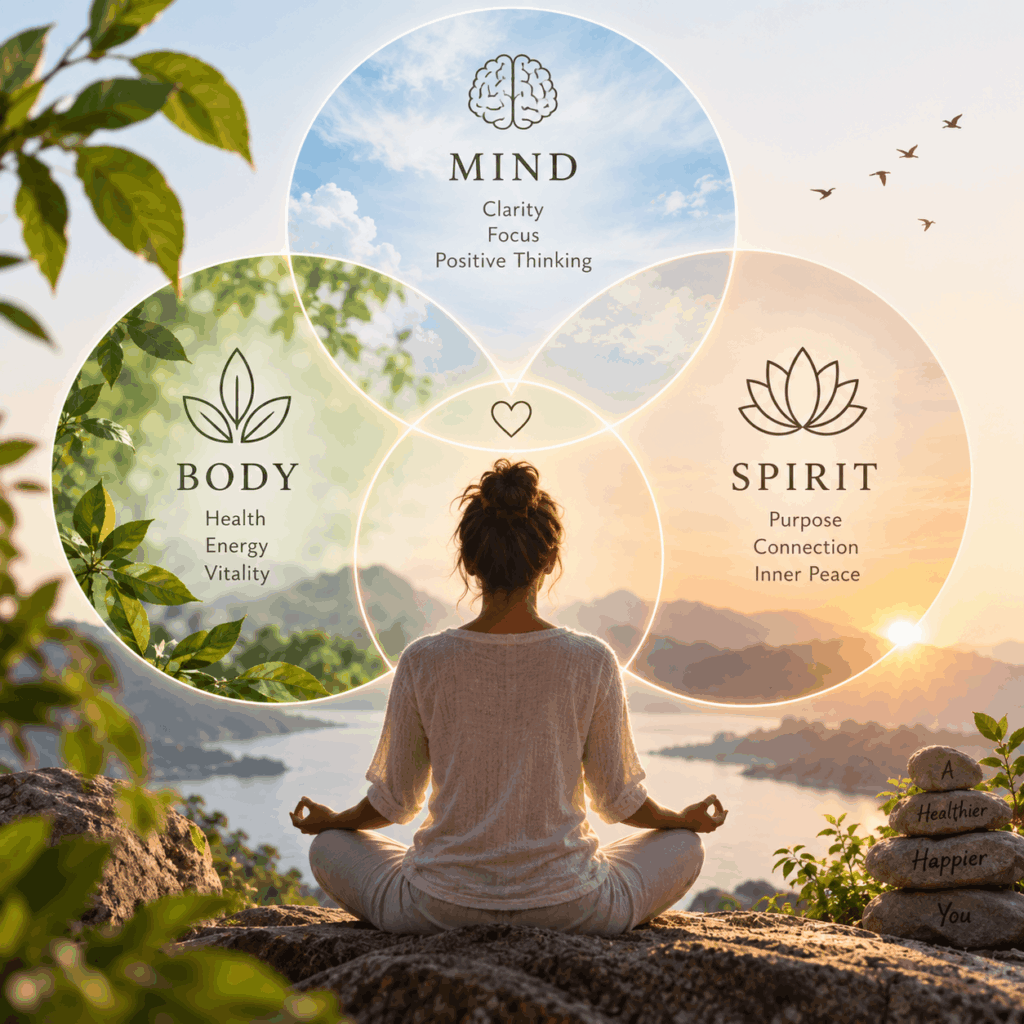
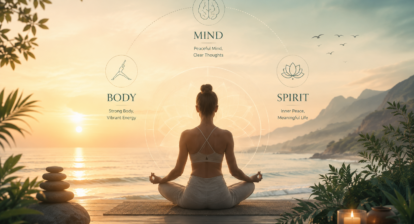
At Body Mind Spirit, we look beyond the mind alone. Our philosophy recognises the connection between the body, mind and spirit as parts of a person’s broader wellbeing.
Personal growth can involve physical wellbeing, mental and emotional development, relationships, learning, purpose and a deeper understanding of yourself.
Developing a positive mindset can therefore be a starting point for looking at yourself as a whole person rather than focusing on one part of your life in isolation.
How Body Mind Spirit Supports Personal Growth
At Body Mind Spirit, personal growth is viewed as an ongoing journey of learning, reflection, connection and development.
Our approach brings together the mind, body and spirit, while encouraging individuals to explore greater self-awareness and a deeper understanding of their own potential.
Through our educational resources, webinars, community and available learning opportunities, we aim to provide people with space to learn, reflect and continue developing at their own pace.
You can learn more about the philosophy behind our approach through our Body Mind Spirit Mission and explore opportunities to connect with the wider community.
Creating a More Positive Everyday Life
You don’t need to overhaul your whole life to develop a healthier mindset.
Start small.
Take a few minutes each day to notice your thoughts. Catch yourself when you’re being unnecessarily hard on yourself. Celebrate progress rather than expecting perfection. Spend time with those who support you and your growth. Set goals that matter to you, and give yourself permission to learn along the way.
Most importantly, allow yourself to grow at your own pace.
Personal growth isn’t about becoming someone else. It is about understanding yourself better, recognising what matters to you and gradually working towards a life that feels more genuine and meaningful.
Frequently Asked Questions
What is a positive mindset?
A positive mindset is a way of approaching life’s experiences with openness, hope and a willingness to learn. It doesn’t mean ignoring difficult emotions or pretending that everything is always positive.
How can I develop a positive mindset?
Start with small, consistent practices such as noticing your thoughts, focusing on what you can control, learning from setbacks, practising gratitude and surrounding yourself with supportive people.
Does a positive mindset mean ignoring negative emotions?
No. A healthy approach to positivity recognises that difficult emotions are a normal part of life. The aim is to understand those experiences and choose constructive ways to respond rather than suppressing them.
How does mindset relate to personal growth?
Mindset can influence how you respond to challenges, interpret experiences and approach opportunities to learn. Developing greater self-awareness can become an important part of an ongoing personal growth journey.
Continue Your Personal Growth Journey
Developing a positive mindset is one part of a much wider journey of personal growth.
If you’d like to explore the Body Mind Spirit approach, discover our programmes and learning opportunities, explore our webinars, or learn more about our membership levels and community.
Your growth doesn’t have to happen all at once.
Start with one thought. One reflection. One small step.
Customer Reviews
Thanks for submitting your comment!